


Wineries Worth Visiting
Innovators are forging ahead to create wines of distinction and finesse.
If the trade war and border concerns have you seeking new destinations for your wine travels, consider these regions producing exciting wines that are contemporary, innovative—and definitely worth tasting in person.
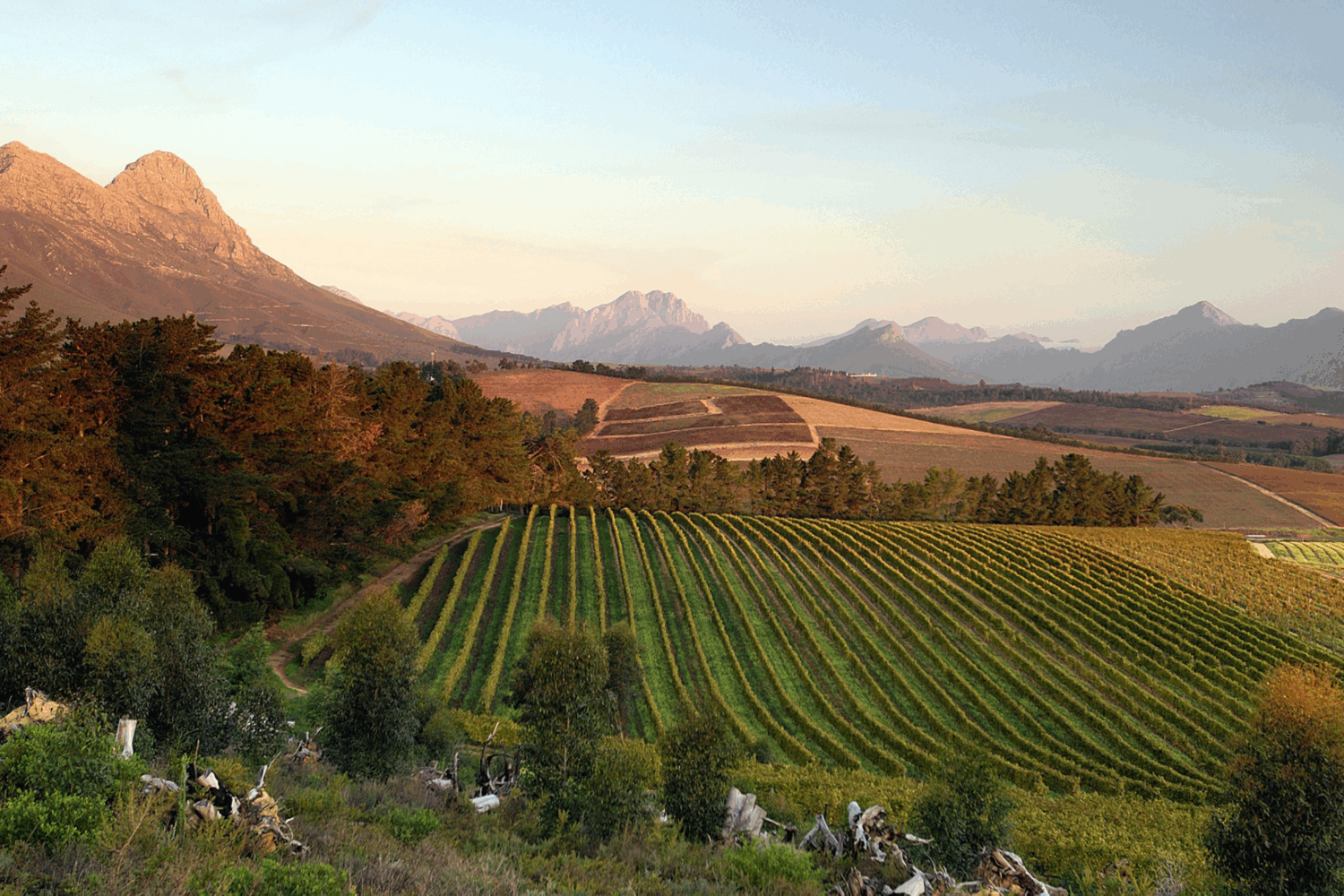
Stellenbosch, South Africa
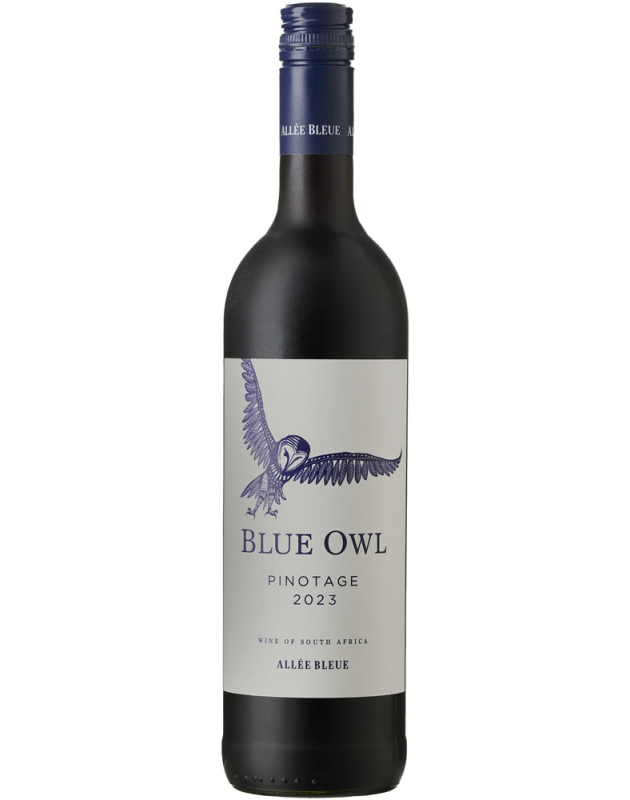
South Africa has a few notables. A healthy population of zebras, lions, rhinos. Also, ochre plains, deserts and a deeply sapphire ocean—and Pinotage. It’s South Africa’s signature grape, which is known for its big fruit and billowing tobacco notes. Too often, unfortunately, those qualities are taken to the extreme, lending the grape a reputation for being brash, clumsy and rather “daddyish.” A new guard of winemakers is issuing a course correction. They’re making soft, gentle, lifted Pinotage—more akin to Beaujolais or a lighter Loire red. Try: Allée Bleue Blue Owl Pinotage, $24.95
Canelones, Uruguay
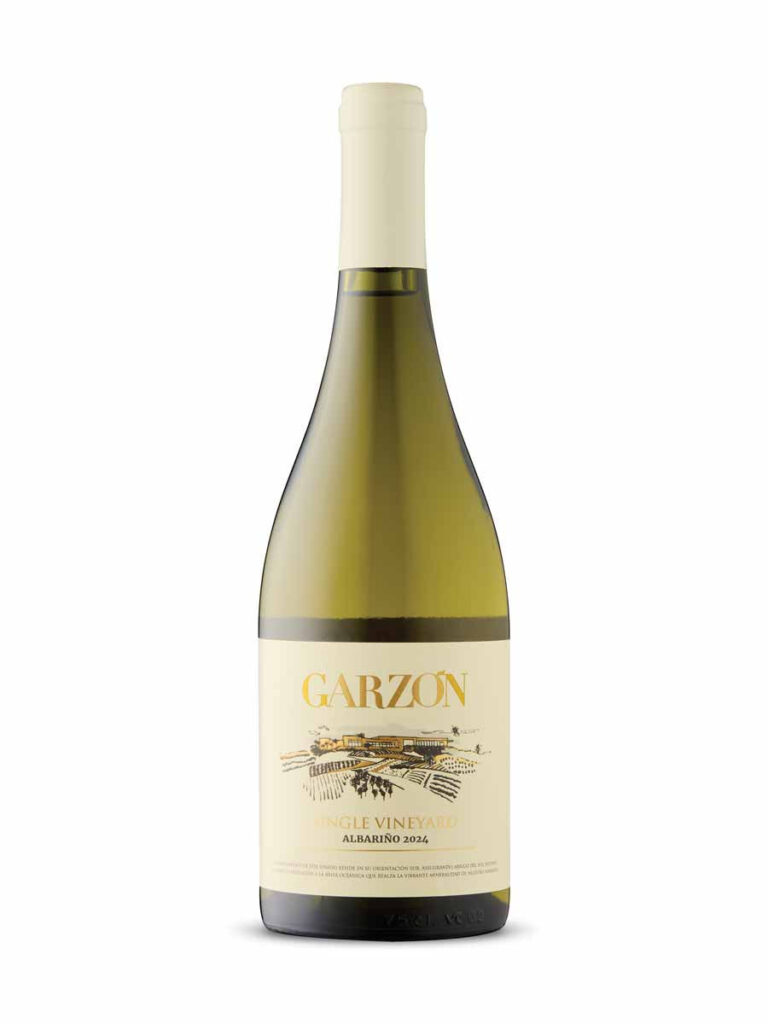
Uruguayan wine is often reduced to comparisons. Its signature grape, Tannat, makes wines just like Bordeaux, Chile or Argentina, critics say. For ages, Uruguayan makers fulfilled that prophecy, making red wines riddled with oak, tannin and a suffocating weight. As young producers—mainly the children of Italian and Spanish immigrants—enter the scene, they’re shifting the focus to Albarino, a mineral-driven Spanish white grape that pairs much better with Uruguay’s sandy beaches and surfer-cool coastal culture. Expect breathy, airy, salty white wines with a surprising sophistication. Try: Bodega Garzón Single Vineyard Albariño, $40.95
Loire Valley, France
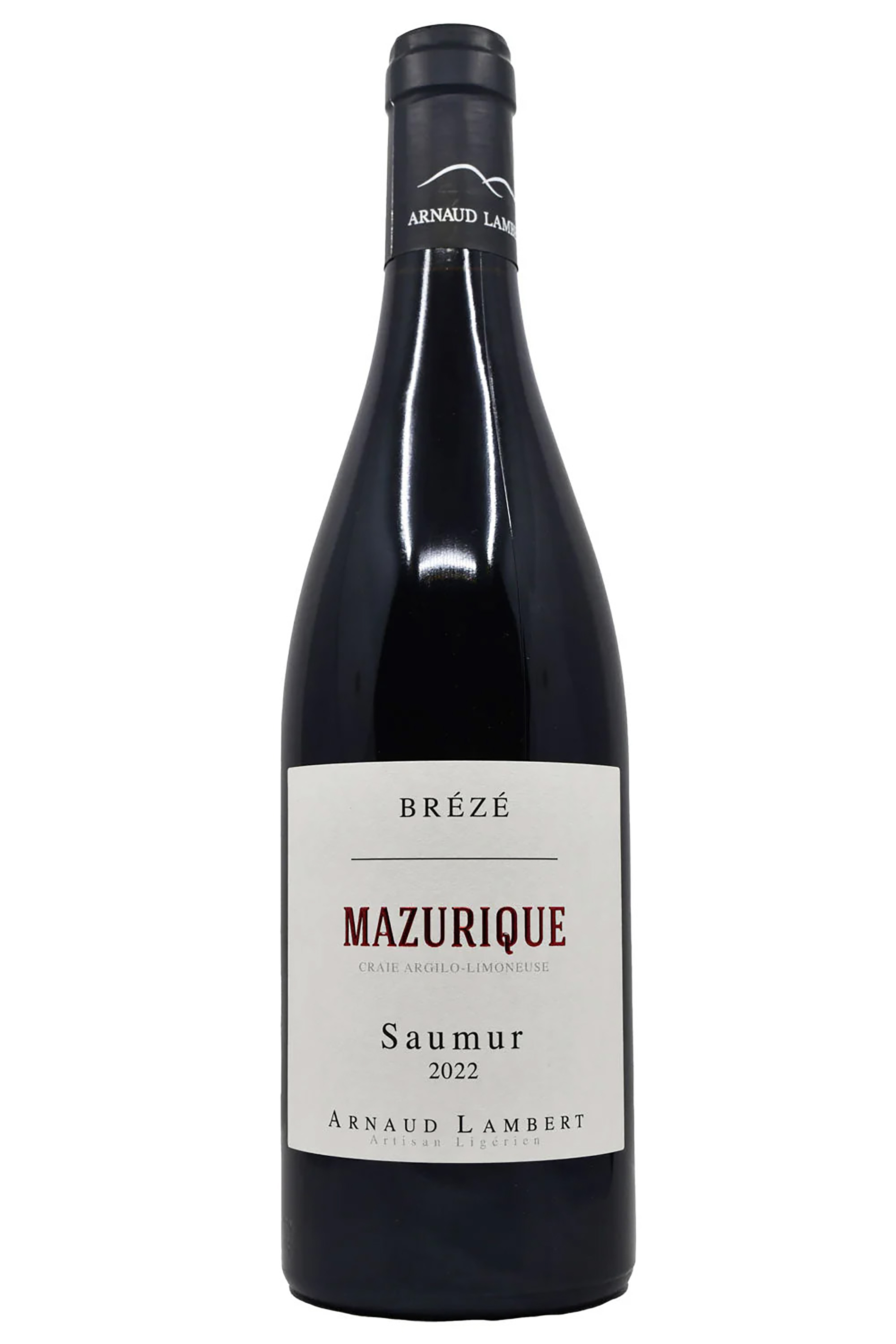
The French hub for Chenin Blanc, Cabernet Franc and nice bubbles is known for affordability—easy, accessible wines for weeknight enjoyment (save, of course, for premium Sancerre and Pouilly-Fumé). Producers are trying to shrug off that reputation by building a Burgundian cru system, examining which soils and micro-regions in the Loire have the potential for greatness and, just as important, climate resiliency. Looking to the future, save a slot in your cellar for Saumur and Muscadet. Try: Arnaud Lambert Mazurique, $55
Valdobbiadene, Italy
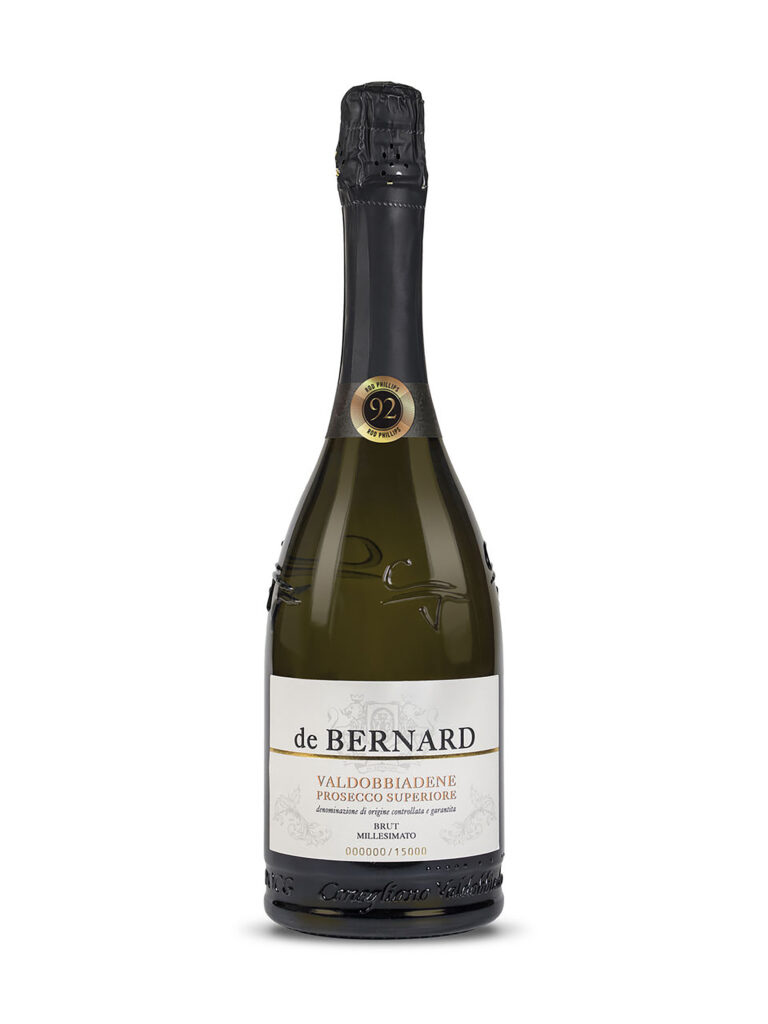
Whereas Champagne is reserved for special moments, prosecco is often reserved for, well, brunch. Producers in Valdobbiadene are trying to shed that reputation by making single-vineyard, higher-end wines or holding back a selection of each year’s production for aging. Wine growers are also leaning into indigenous Italian grapes, like Perera, Bianchetta and Verdiso, which are hardier and more climate-resistant. The result: sparkling wines with intense complexity and ageability. Try: de Bernard Brut Valdobbiadene Prosecco Superiore 2023, $22.95

Baja, Mexico
Drive south from San Diego through Tijuana until you hit Ensenada, an idyllic Baja beachtown. In addition to boutique hotels and rolling surf, you’ll also find an electric wine scene. The Valle de Guadalupe isn’t replicating what other regions have to offer—this isn’t Napawith a Mexican accent nor Spain by way of Baja. Young producers are playing with indigenous yeasts, tending to ancient bush vines and exploring Mexico’s potential beyond tequila. Try: Bodegas de Santo Tomás Chenin Blanc, $45
— Kate Dingwall