




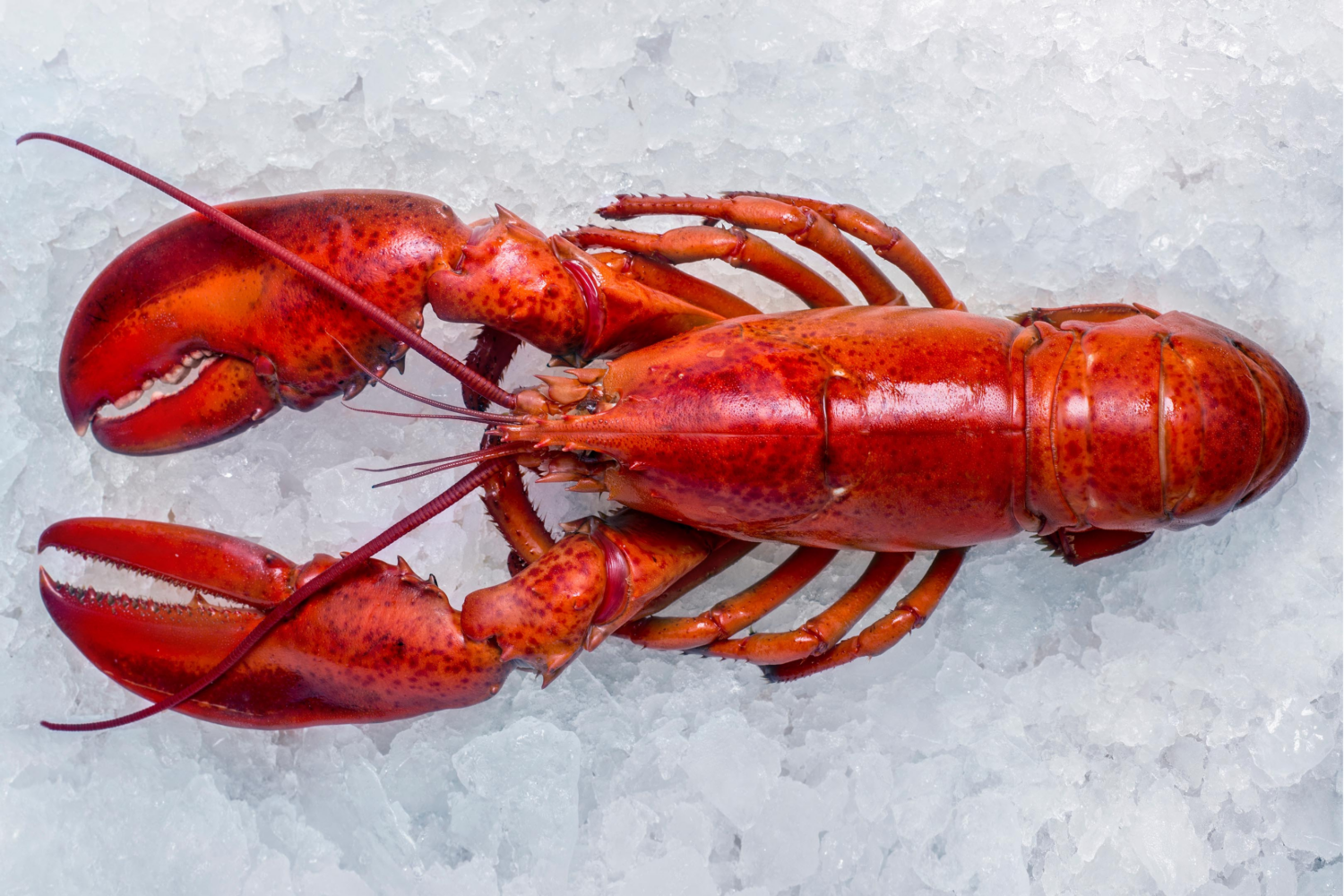
Lobster: From Tariffs to the Table
IT’S SIMPLE ECONOMICS: if supply is constant, increased demand means higher prices.
On March 1, China lifted the punishing 25-percent tariff it had imposed a year earlier on Canadian lobster, crab, canola meal and peas. This was great news for Atlantic Canada’s lobster industry. In 2025, without the Chinese market, shore prices for lobster had plummeted from $15 per pound to under $7, barely enough to keep the fishery viable. Now they have swiftly risen again.
“Volatility is wild,” says chef Gus Stieffenhoffer-Brandson of Vancouver’s Published on Main. “It’s everything from fuel costs to global politics affecting supply chains, which trickles down to what we pay daily. It’s a constant balancing act.” One thing seems clear. With prices and exports restored, the cost of lobster for Canadian consumers is going to soar.
“There’s definitely a concern,” agrees Eric Chong, chef-owner of aKIN in Toronto. “Increased access to the Chinese market typically drives up demand very quickly, which tightens supply domestically.”
Customers are used to seeing “market price” next to lobster on a menu; judicious enquiry about what that may be is more advisable than ever. –Staff
Photographer: Mikael Damkier