


A wine region in Southern France is rapidly but studiously innovating in the face of climate change
For decades, the Languedoc was shorthand for bulk and bargain — France’s sun-soaked engine room of hearty reds. Today, that reputation is being dismantled bottle by bottle. Climate change — and a taste for innovation — has pushed winemakers to rethink everything, turning the region into one of France’s most dynamic laboratories.
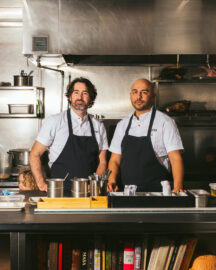
“Climate change demands a break from past practices,” says winemaker Baptiste Delmas at Domaine Delmas, a pioneer in regional organic farming since the 1980s. “The focus is on lower alcohol, greater freshness and more precision. That is the future of the Languedoc.”
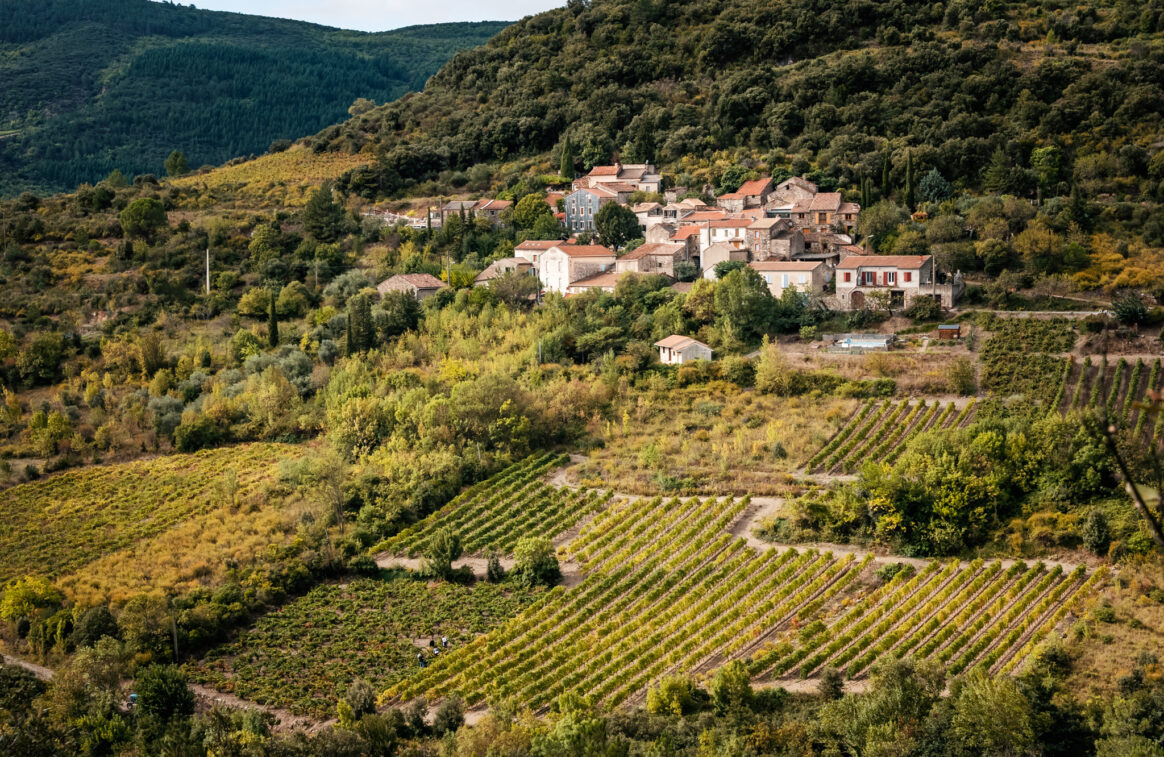
As elsewhere, summers are hotter and drier, with some vineyards ripening as early as late August. Producers are experimenting with drought-tolerant rootstocks and deeper rooting varieties, and planting at higher elevations in areas such as in the Cévennes and Terrasses du Larzac IGPs.
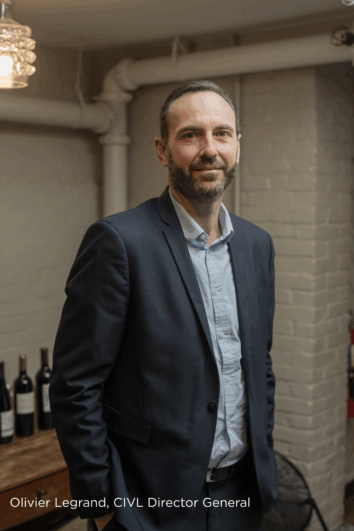
“Our vineyards are still the exception in Europe — only about 20 percent are irrigated,” says Olivier Legrand, director general of the Conseil Interprofessionnel des Vins du Languedoc (CIVL). He stresses that irrigation must be deployed intelligently. “Every drop of water has to be optimized. We are working with growers to increase organic matter in soils and testing new approaches to see if they fit our Mediterranean conditions.” The recent wildfires were a stark reminder of the fragility of the region’s ecosystem.

Innovation here is not about chasing what’s fashionable. Picking earlier is now standard to keep acidity in the fruit. In the cellar, there’s a move to gentler extractions, yeast strains that help modulate alcohol, and vessels like concrete and amphora that emphasize purity. “The biggest innovation is restraint,” says Delmas. “Knowing when not to extract, not to oak, not to push — that’s how you keep balance.”
Where Languedoc reds were once caricatured as rustic and weighty, the leading voices now talk about energy and drinkability. Whites now make up more than a quarter of production, with sales up 15 percent since 2017. Picpoul de Pinet is leading the charge, while appellations like Saint-Chinian and Faugères are gaining ground. Rosés represent more than a third of production, while sparkling from Limoux has surged more than 20 percent in the last five years.


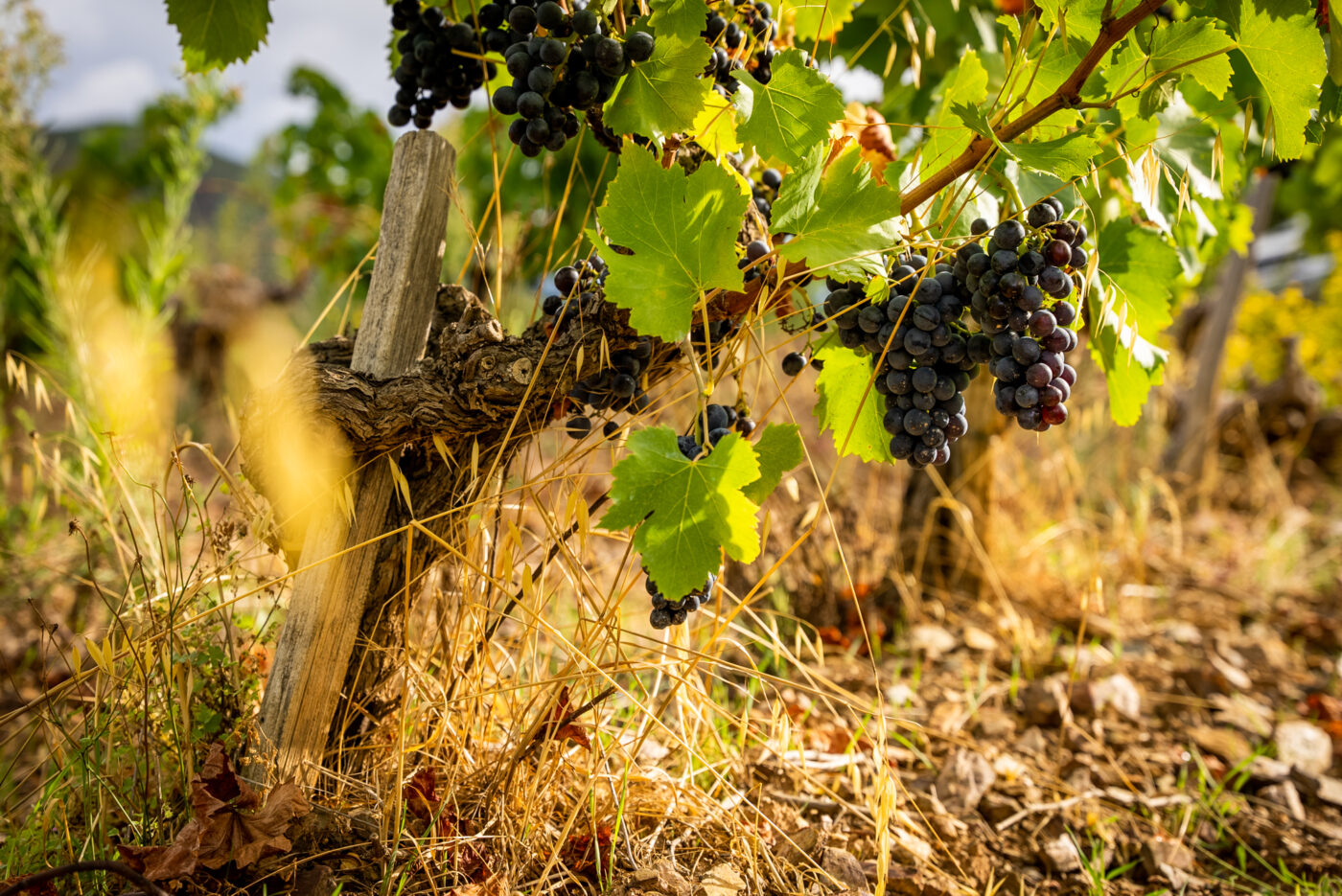
Pinot Noir — long viewed as ill-suited to the Languedoc’s heat — is now appearing in cooler corners and higher foothills. Delmas notes that in Limoux’s elevated vineyards, it can reveal a more precise, delicate side of the region. Producers are also reclaiming lesser-known varieties like Grenache Gris and experimenting under the broader IGP Pays d’Oc rules with crosses such as Caladoc.
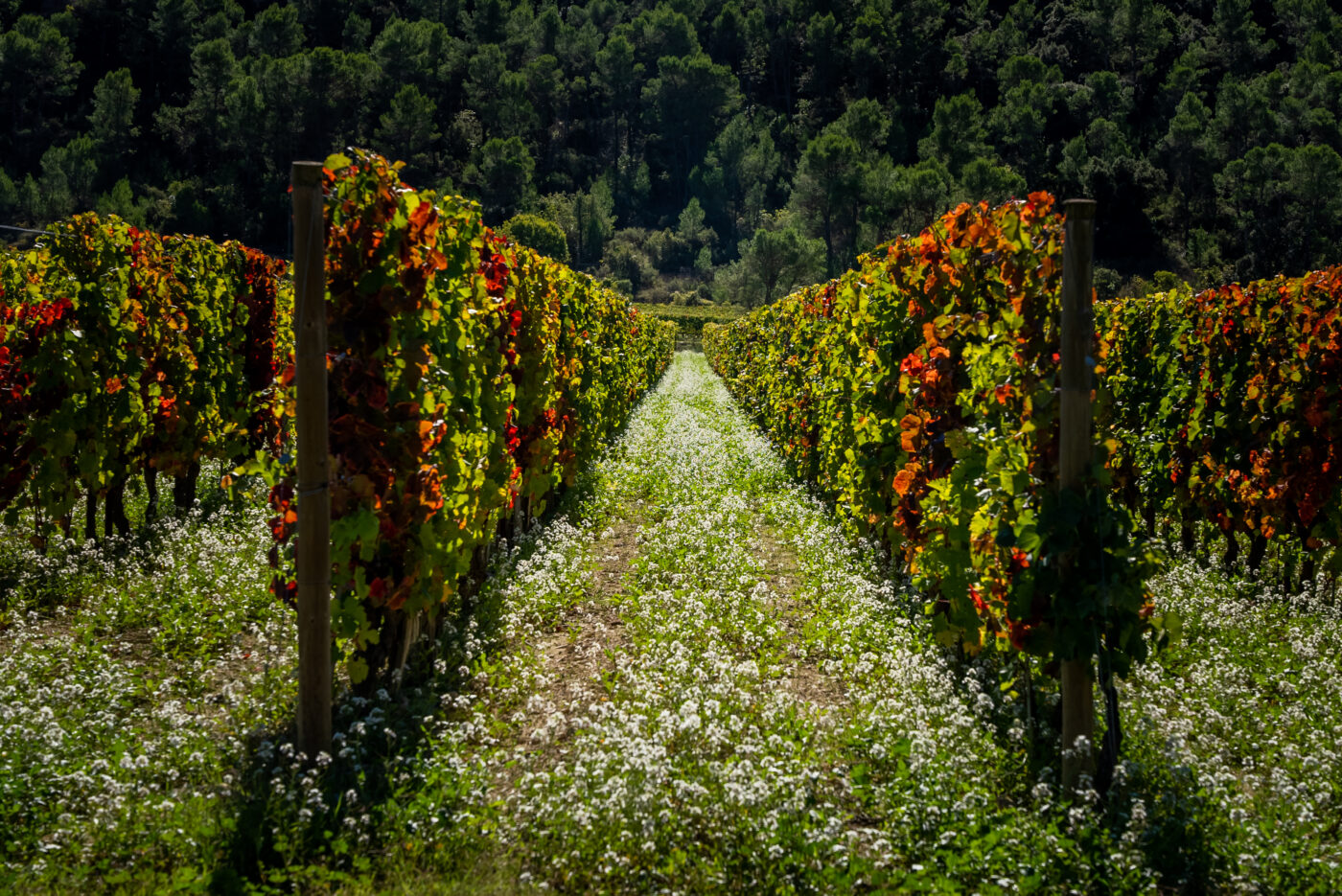
If there is a single through line, it is sustainability. Languedoc sits at the heart of Occitanie, the French region with the highest share of organic vineyards. Cover crops preserve soils, precision irrigation is being tested in dry parcels, and biodiversity corridors have become an essential ally in the vineyard. As Delmas puts it: “Organic is not a marketing choice. It is a long-standing commitment — if the soils collapse, so does everything else.”
Freshness, diversity, innovation — that’s the story the region is writing now. “What defines Languedoc today is not its past,” says Legrand, “but its capacity to adapt.”
WINERIES TO VISIT
A family estate in Antugnac, certified organic since 1986, pouring Blanquette and Crémant de Limoux alongside still Chardonnay/Pinot, with tastings in its original cellar.
Château l’Hospitalet Wine Resort Beach & Spa (La Clape/Narbonne)
Gérard Bertrand’s vineyard-ringed wine resort in La Clape massif offers estate tastings/tours and a dedicated L’Hospitalet Beach club down at Narbonne-Plage.
Château de Jonquières (Terrasses du Larzac)
A 900-year-old family domaine and organic AOC pioneer where you can taste on-site (and even stay overnight) at the medieval château.
— Alana Lapierre
Share: Facebook, X (Formerly Twitter)