
Tokyo’s Premium Matcha Experience Lands on Ossington
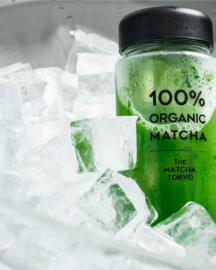
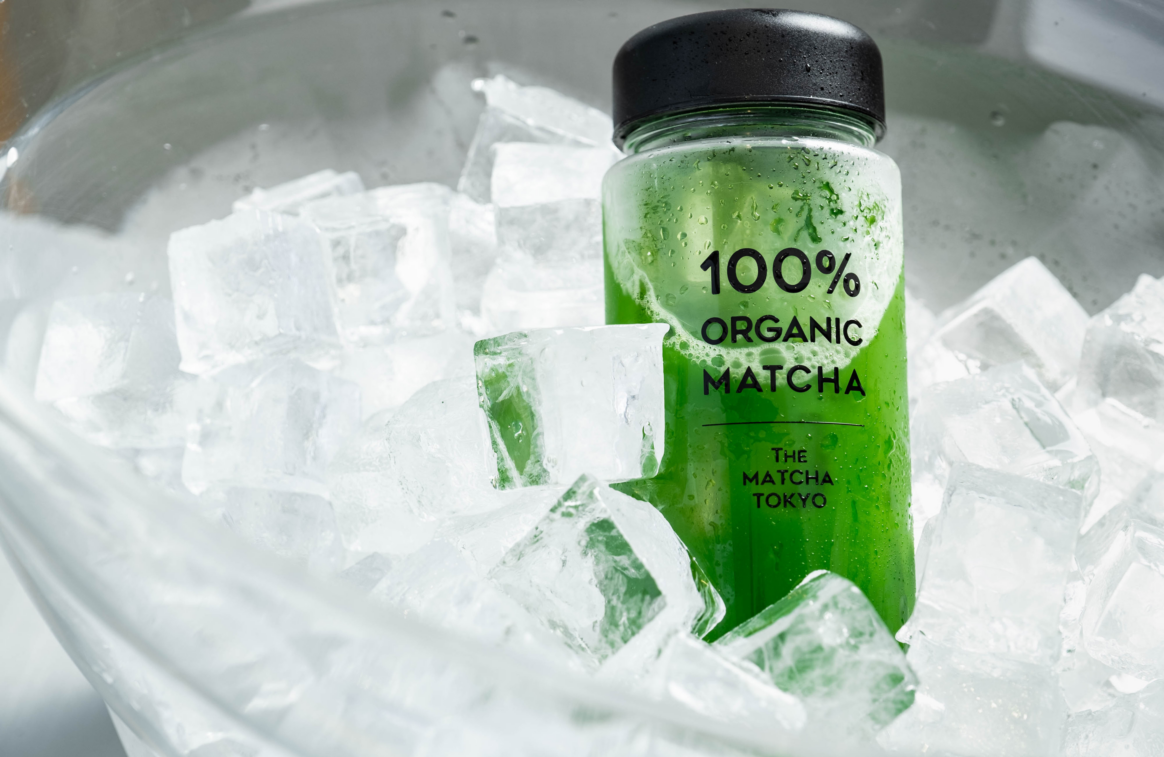
The Matcha Tokyo makes its Canadian debut on Toronto’s Ossington strip on May 16th. The Tokyo-founded café concept offers a different kind of matcha experience. It will introduce Toronto to the more ritual-driven side of matcha through 100% organic, pesticide-free matcha. In Japan, matcha is rooted in ritual and ceremony as much as flavour. Quality remains central: the brand has built its identity around provenance and an uncompromising approach to sourcing.
Founded in 2018 with a focus on reintroducing matcha in its purest form, the brand sources its 100% organic matcha directly from trusted farms in renowned Japanese tea-growing regions, including Uji and Kagoshima, without intermediary distributors. It oversees every stage of production from cultivation through harvesting and stone milling. Only first flush leaves are selected, resulting in the naturally sweet, deeply umami-driven profile that defines truly exceptional matcha.
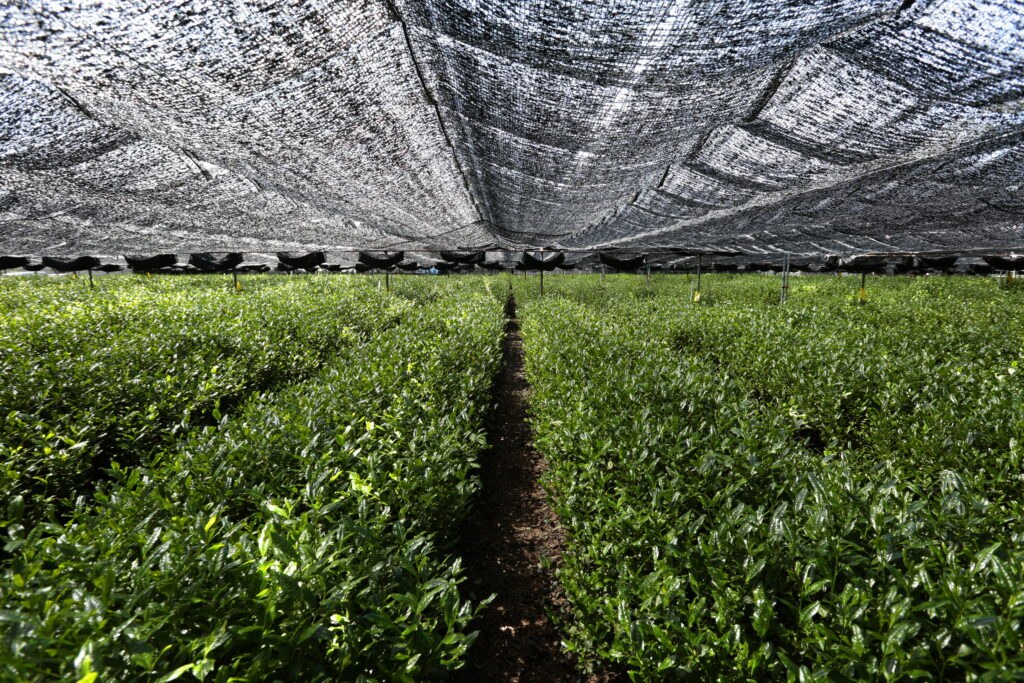
That distinction matters to Kristina Bura, director and owner of the Toronto location. “A few things,” she says, when asked what people still misunderstand. “The first misconception is that colour alone does not equal quality. People have been trained to think that the brighter the green, the better the matcha, but that’s a surface-level read. Truly exceptional matcha is about the shade growing process, the cultivar, the harvest timing, and the stone milling. It’s as layered as fine wine or single-origin coffee.”
She’s equally direct about the ubiquitous “ceremonial grade” label. “It sounds authoritative, but ‘ceremonial grade’ is a Western marketing term created by importers to simplify quality distinctions for Western consumers and justify premium pricing. It simply doesn’t exist as a classification in traditional Japanese tea culture. It’s entirely undefined and unregulated; no organization in Japan or abroad sets any standard for its use. That means anyone can put it on a tin regardless of what’s actually inside. We don’t use that word because it means nothing where matcha comes from.”
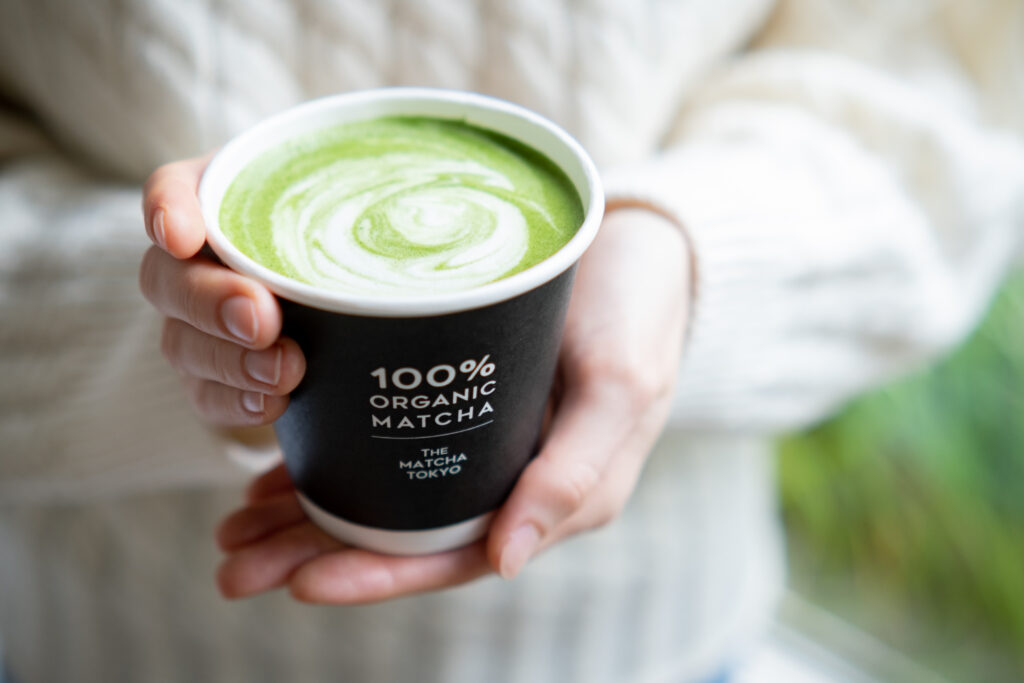
“The third thing people misunderstand is how matcha should actually taste. Properly prepared high-quality matcha shouldn’t be aggressively bitter. There should be natural sweetness, depth, umami, and a clean finish. Excessive bitterness is often a sign of lower quality matcha or poor preparation rather than authenticity.” A bowl of The Matcha Tokyo’s Gold Blend organic matcha makes that point neatly.
Toronto, says Bura, was the obvious Canadian entry point. “It’s one of the most culturally diverse cities in the world, with a community that genuinely seeks out thoughtful, quality-focused experiences rather than just trends.”
Ossington felt aligned. “People there aren’t looking for the next chain. They’re looking for something real.”
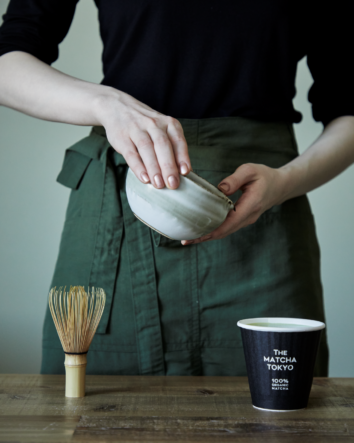
For Bura personally, the ritual starts before the day begins. “Before the phone, before the noise of the day starts, there’s something about the preparation itself that forces you to slow down,” she says. “You can’t rush a good bowl of matcha. That constraint is actually the point.”
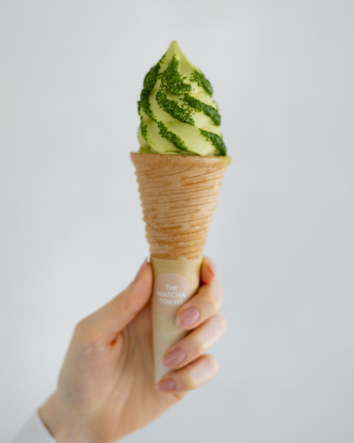
The 1,200-square-foot, 14-seat café reflects that sensibility, with minimalist Japanese design, natural materials, and a menu centred on core matcha offerings, hojicha-based beverages, and desserts, including a Toronto-exclusive nama matcha chocolate Basque cheesecake. When asked what she hopes guests feel, Bura doesn’t hesitate: “Like they’ve stepped out of the city for a moment. Toronto moves fast. We want our space to be the pause in the middle of that.”
(Writer’s note: also worth grabbing for the road are the roasted pecans coated in organic matcha and white chocolate, which proved alarmingly moreish during the writing of this piece.)
For more info on The Matcha Tokyo, CLICK HERE
-Alana Lapierre
Share: Facebook, X (Formerly Twitter)