


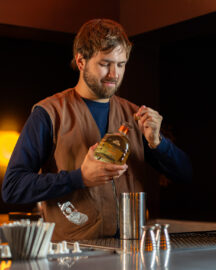

The aromatized fortified wine deserves a starring role in your glass.
Vermouth may be the drinks industry’s best supporting actor. It’s in all the top cocktails—the Martini, Manhattan and Negroni—but is always overshadowed by top-billing ingredients like gin, vodka and whiskey.
“I always thought of vermouth being that dusty bottle in your parents’ liquor cabinet that got used if someone asked for a Martini,” says Jayson Green, the owner of Doc’s Green Door Lounge in Toronto. A few pours of a craft vermouth converted him. “Serious vermouth is not just something you dump into a Negroni,” he notes. “It’s wildly varied—an expression of grapes, place and the botanicals grown in that place.
Vermouth defined
Vermouth is an aromatized wine flavoured with fruits, florals, spices and other botanicals (typically cinchona bark, wormwood, orange peel, juniper and star anise), then fortified with brandy or a neutral spirit. It’s a hyperlocal product. In the Alps, white vermouths taste like crisp mountain winds and breathy alpine florals. In the sun-soaked plains of Spain’s Penedès region, vermouths are bold, kissed by Mediterranean herbs.
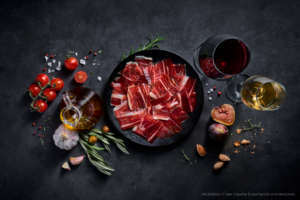
“I really love Spanish vermouth. I feel like they have more of a flavour range, more complexity,” says Rob Bragagnolo, chef at Toronto’s Casa Paco, who has promoted vermouth as apéro for years. “From a food-pairing aspect, vermouth is really attractive, especially when you’re having things like olives, almonds, anchovies and high-quality cured meats.”


Photo: (left) Casa Paco’s Smoking Jacket (Chuck Ortiz) & (right) Doc’s Green Door’s Stoney Negroni cocktails (Ashley van der Laan)
How to drink
It’s best on the rocks, says Green, with a big briny olive. Vermouth and soda is a perfect beginner pour—sessionable, savoury and refreshing, served in a tall glass with ice and crowned with a swirl of orange. Or swap out the soda for tonic for a bitter-sweet, lower-octane take on the G&T.
Red, white, sweet or dry?
Vermouth is not a monolithic category. White vermouths can range in sweetness and spice. Some are richly floral and slightly saccharine, while others are nutty and oxidative. Dry white vermouth is highly herbaceous and fundamental in a dry Martini. Red vermouth is deeper in flavour, rich with warming spice, citrus notes and a subtle sweetness. Reach for red vermouth for Negronis, Manhattans, Americanos and Boulevardiers.
Your vermouth starter kit
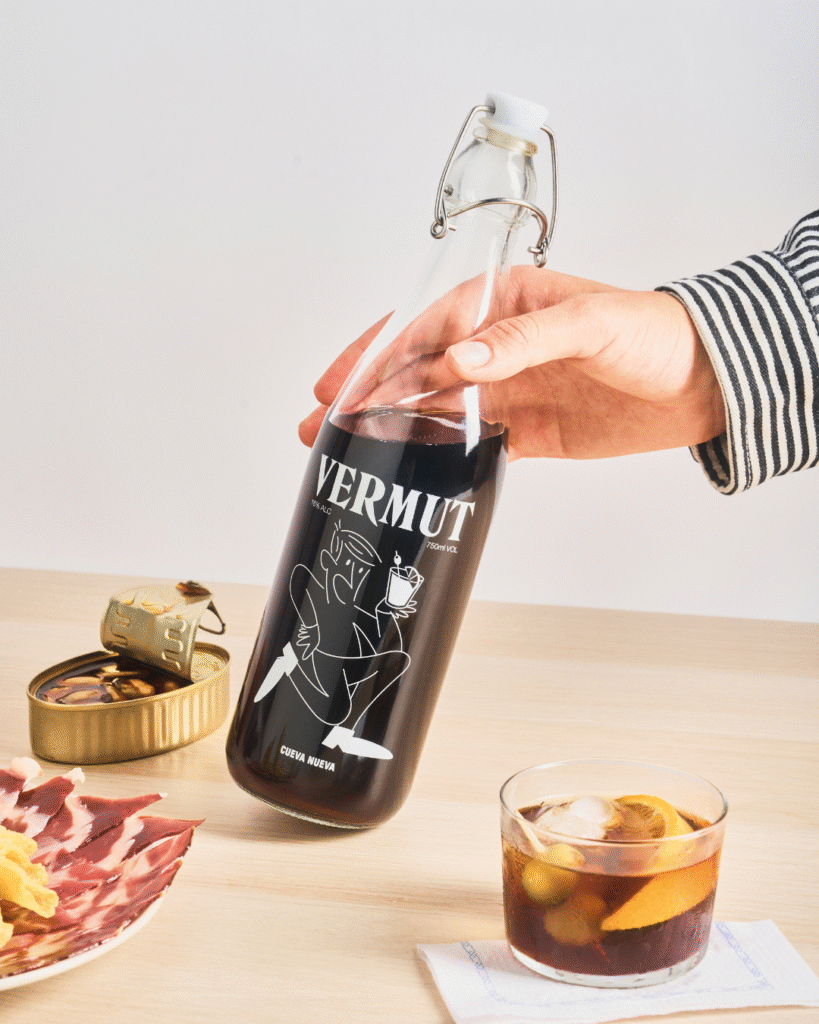
Cueva Nueva
$50
Photo: Santiago Gomez
An ode to Spanish daytime drinking, Cueva Nueva makes vermouth rooted in traditional Spanish recipes, but with a modern twist (and the cool-kid branding to boot). With 88 botanicals and a base of Spanish Garnacha grapes, it’s exceptionally easy to drink on its own (with and orange slice, please) or in a Negroni.
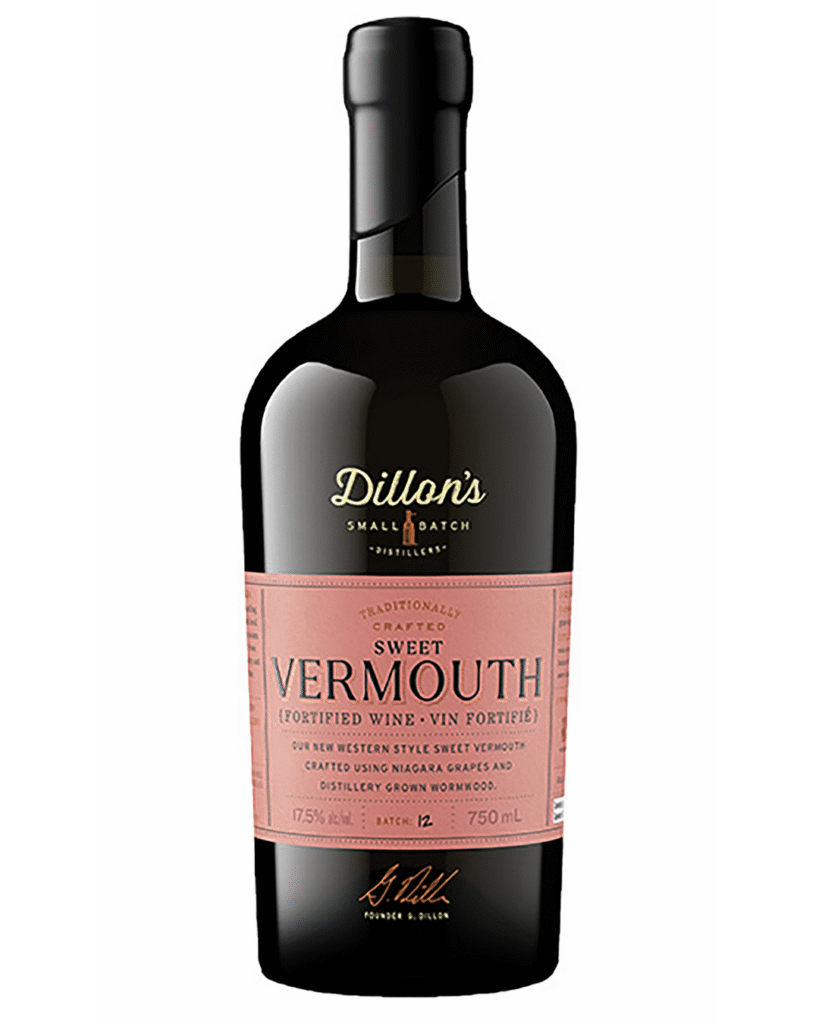
Photo: Courtesy of Dillon’s Small Batch Distillers
An all-Ontario take on Spanish vermouth starts with Niagara grapes, spiced with gentian and sarsaparilla, cinchona for bitterness and a hit of vanilla to round out this richly bitter-sweet vermouth.
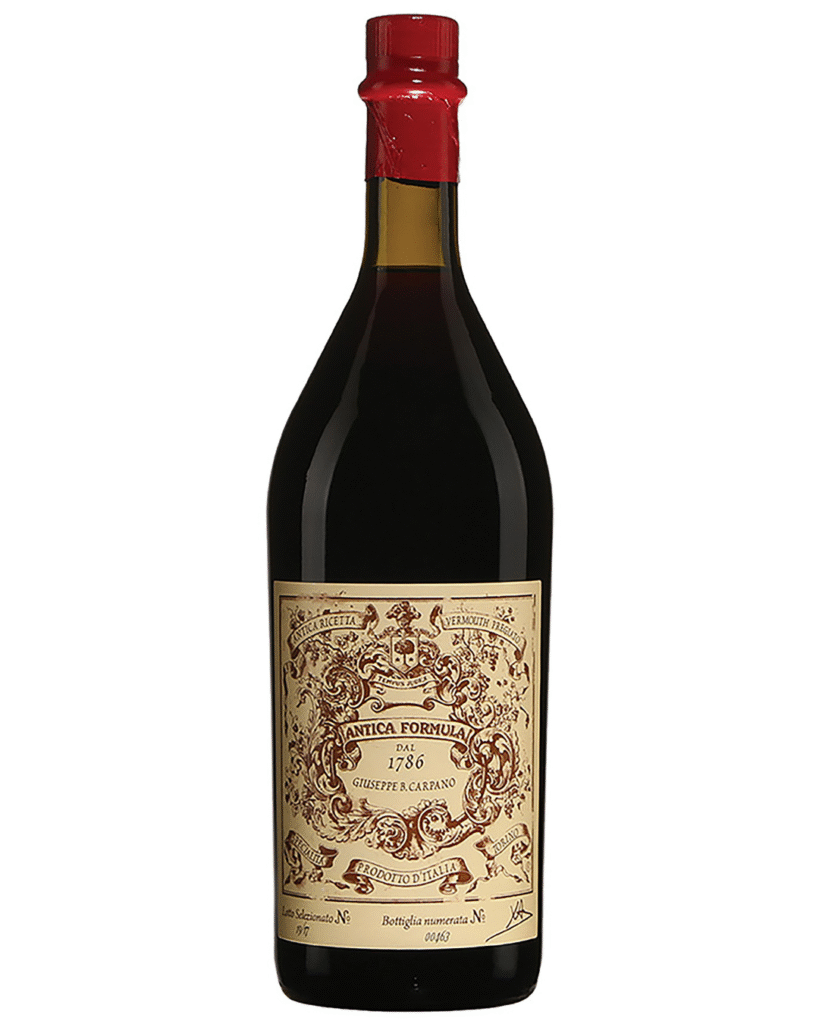
Photo: Courtesy of Carpano
From the folks who bring you Fernet-Branca comes a much softer sip—an intensely aromatic, citrus-driven white vermouth laden with bitter orange peel and cinnamon. Try it in a White Negroni.
— Kate Dingwall
Prices and availability vary across Canada.
Photo (lead image): Ismael Nasrollah (Cueva Nueva)
Share: Facebook, X (Formerly Twitter)