

There’s magic happening in the city’s Chinese restaurants.
Flying into Vancouver International Airport, looping out over the ocean, then turning back toward the city, the view of downtown glass towers against the backdrop of the North Shore mountains is mesmerizing. So beautiful, in fact, that you may not notice the lush little suburb of Richmond, where your plane actually touches down.
The Michelin Guide has been equally focused on Vancouver since its arrival, but rumour has it that the 2026 edition may cast an eye beyond the city limits, an expansion that will finally bring much deserved international attention to the magic of Richmond’s Chinese restaurants.
The proximity to YVR airport, relatively inexpensive real estate, and excellent feng shui (Richmond is seen as the “pearl” of the Fraser River “dragon”) has drawn Chinese immigrants here for decades. At first they came from the Guangdong region, but the community has become such a powerful cultural and economic hub that it now exerts a gravitational pull on people from across the whole of China—and each wave brings its own distinctive food culture. You can hear this evolution in the restaurants, where Cantonese has given way to Mandarin (Guoyu, literally “the national language”) as the dominant Chinese dialect. Even old-school Hong Kongers have had to master Mandarin if they want to continue to dine out.
No one tradition holds sway in this profusion of regional Chinese cuisines, and new restaurateurs (many of them wealthy entrepreneurs and industry veterans) find it easy to remain true to their distinct culinary roots. One thing they all share is the supreme importance of freshness and seasonality, and the quality of top-notch Fraser Valley produce and live B.C. seafood meets the most demanding expectations. The resultant mix of superb local ingredients, experienced chefs and restaurateurs from many different traditions, and sophisticated local diners has created a uniquely robust Chinese restaurant ecosystem. Other cities may have lively Chinese dining scenes, but nowhere hits the high notes quite like Richmond.
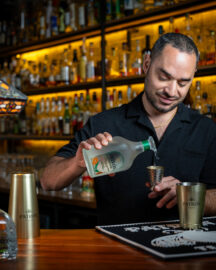
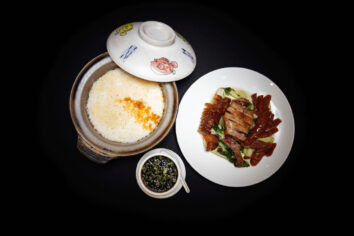
Opened in 1963, Bamboo Grove has watched it all happen, the restaurant’s evolving menu reflecting Richmond’s changing Chinese food culture over the decades. Starting out as a cheerful chop suey house, it now serves some of the finest farmhouse-style Cantonese food in Canada. With his movie-star smile, owner David Jue is the consummate host and an enthusiastic oenophile with a passion for old-world vintages. But despite the expensive seafood and wines, Bamboo Grove’s true soul lies in the simple joy of serving peak-quality ingredients prepared with precision and care.
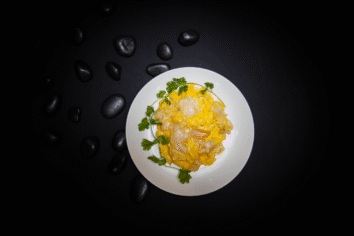
Chef Ming Yeung joined Bamboo Grove in 1995, bringing painstaking techniques learned in Guangzhou’s famed Pearl River Delta. His deceptively simple dish of stir-fried local gailan showcases the robust immediacy of Cantonese cooking. He will go through boxes of produce, carefully select and prep the best pieces, and then flash fry them for searing wok hei. Given the work involved, only a few plates are available each evening, so grab one if you can. Another must-order: luxuriant, softly set scrambled eggs with delicate ribbons of briny, sweet B.C. geoduck clams. If dessert features hot, fresh, sweet ginger milk pudding, well, you’ve won the Richmond dining lottery.
Photography: Courtesy of Bamboo Grove
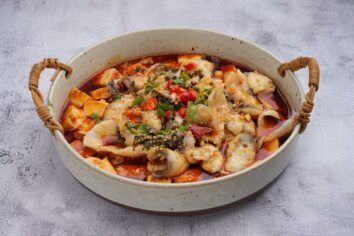
At JiangNan Wok, chef-owner Allen Guo highlights the sophistication of classic Huaiyang cuisine, considered one of the most demanding cooking styles in China, with its focus on delicate freshwater ingredients, meticulous knifework and dishes that employ both sharp and serene flavours. A Qing dynasty classic, Wensi tofu soup features improbably thin hand-cut threads of tofu swirled into a simple thickened broth. A gorgeously pared-down lion’s head meatball braised in clear broth is pure, lush comfort. Steamed Jiangnan rice cakes, dabbed with a touch of sweetened red bean paste, are the epitome of elegant restraint. The austerity is almost shocking on the palate, but the purity of textures and flavours unfolds into a moment of culinary Zen. The restaurant’s quietly tasteful décor reflects modern Chinese upper-middle-class aspirations, providing a warm space for a menu that pivots with the seasons.
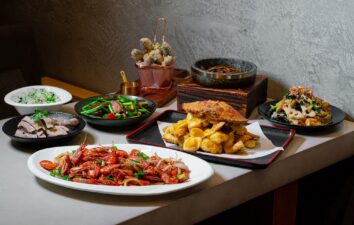
Photography: Courtesy of JiangNan Wok
In China, live seafood is associated with fine dining; the approach at The Fish Man is much more relaxed. The boisterous restaurant is legendary for featuring huge quantities of seasonal Pacific Northwest seafood—holding tanks full of fresh oysters, crabs and fish—but despite the volume, shortcuts are minimal; everything’s prepped to order. Chef Bo Li applies Sichuan brightness and heat with balanced skill, enhancing rather than overwhelming such delicate fresh seafood. Thin slices of fresh B.C. ling cod are gently cooked in a spiced Chengdu-style sour cabbage soup that heightens natural flavours. On the daily fresh sheet, you might find Haida Gwaii uni on a gently coddled Asian custard, B.C. spot prawns stir-fried in a rich salted-egg-yolk sauce, or fat Qualicum scallops steamed on the half shell with garlicky glass noodles.
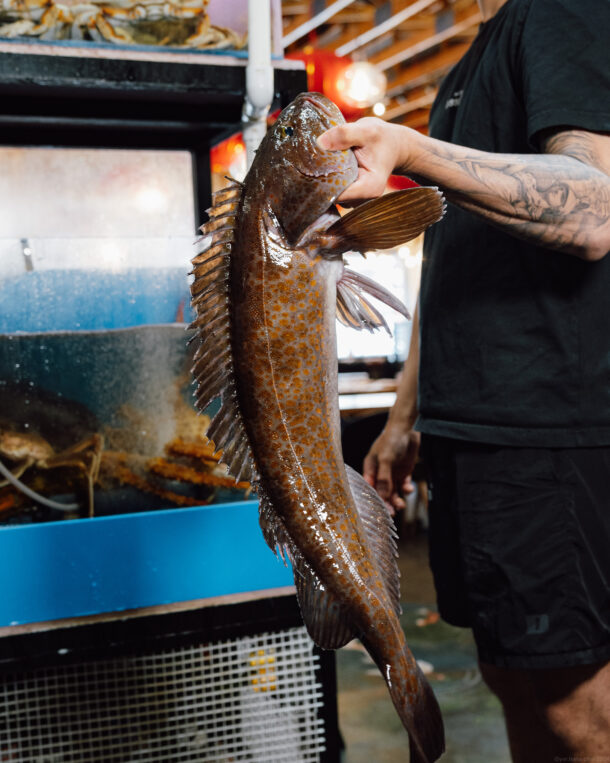 Freshly caught Lingcod
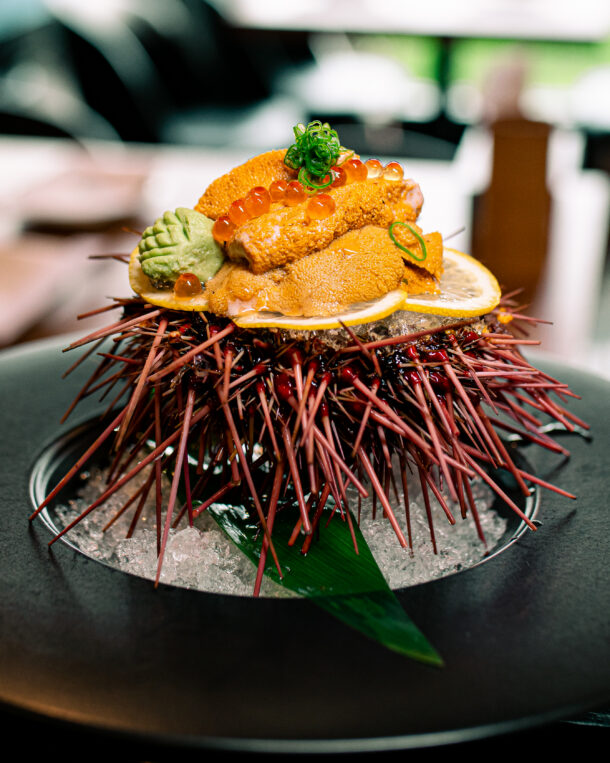 BC Uni Sashimi
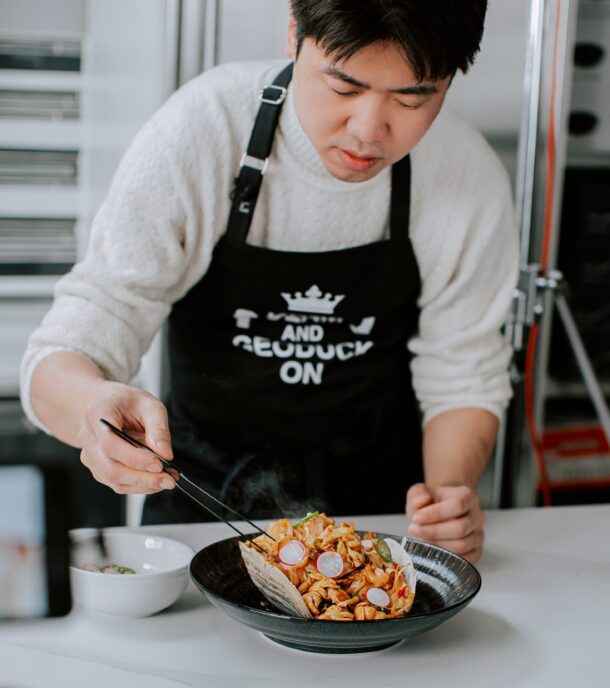 Head chef and the owner Bo Li
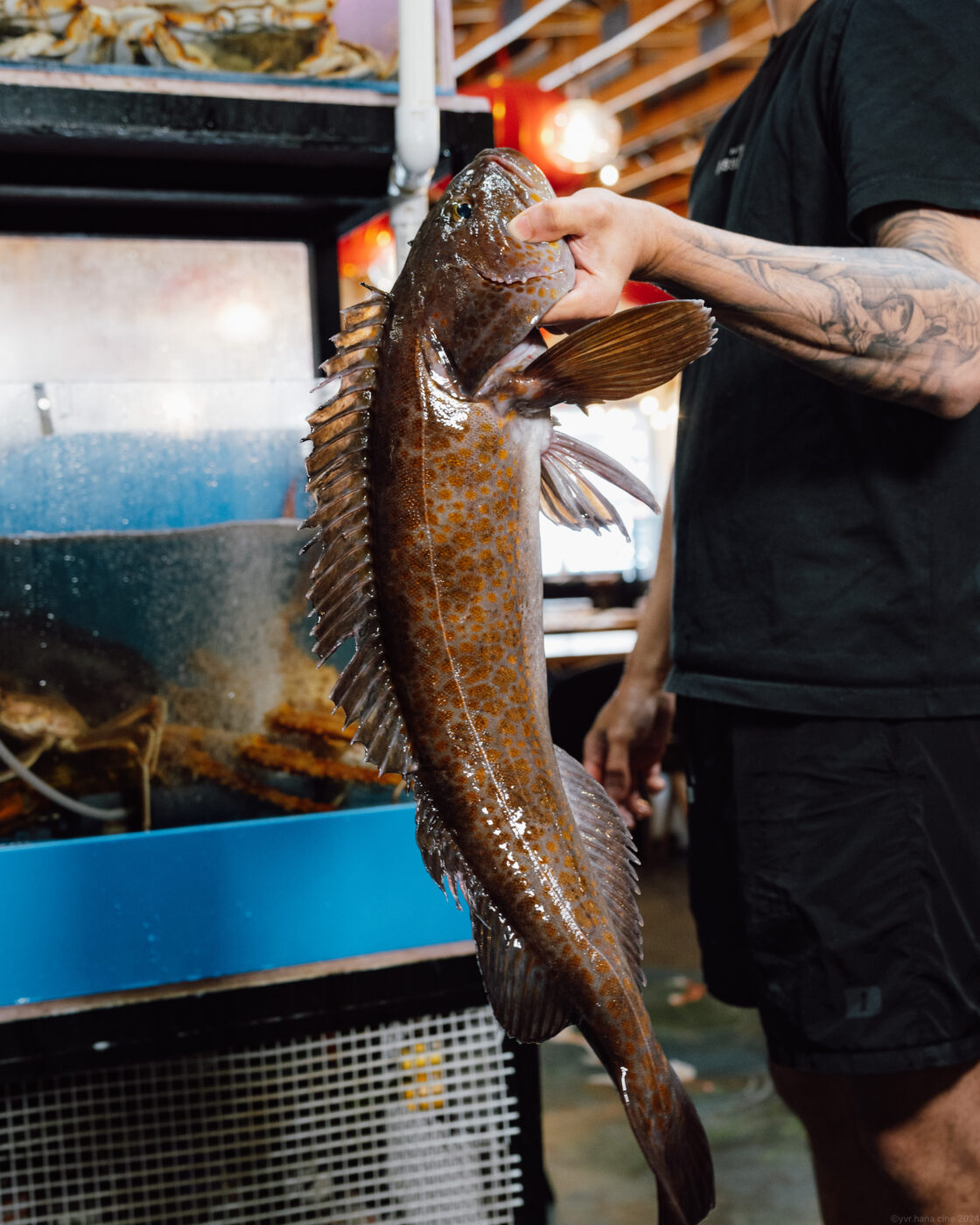
Freshly caught Lingcod

BC Uni Sashimi
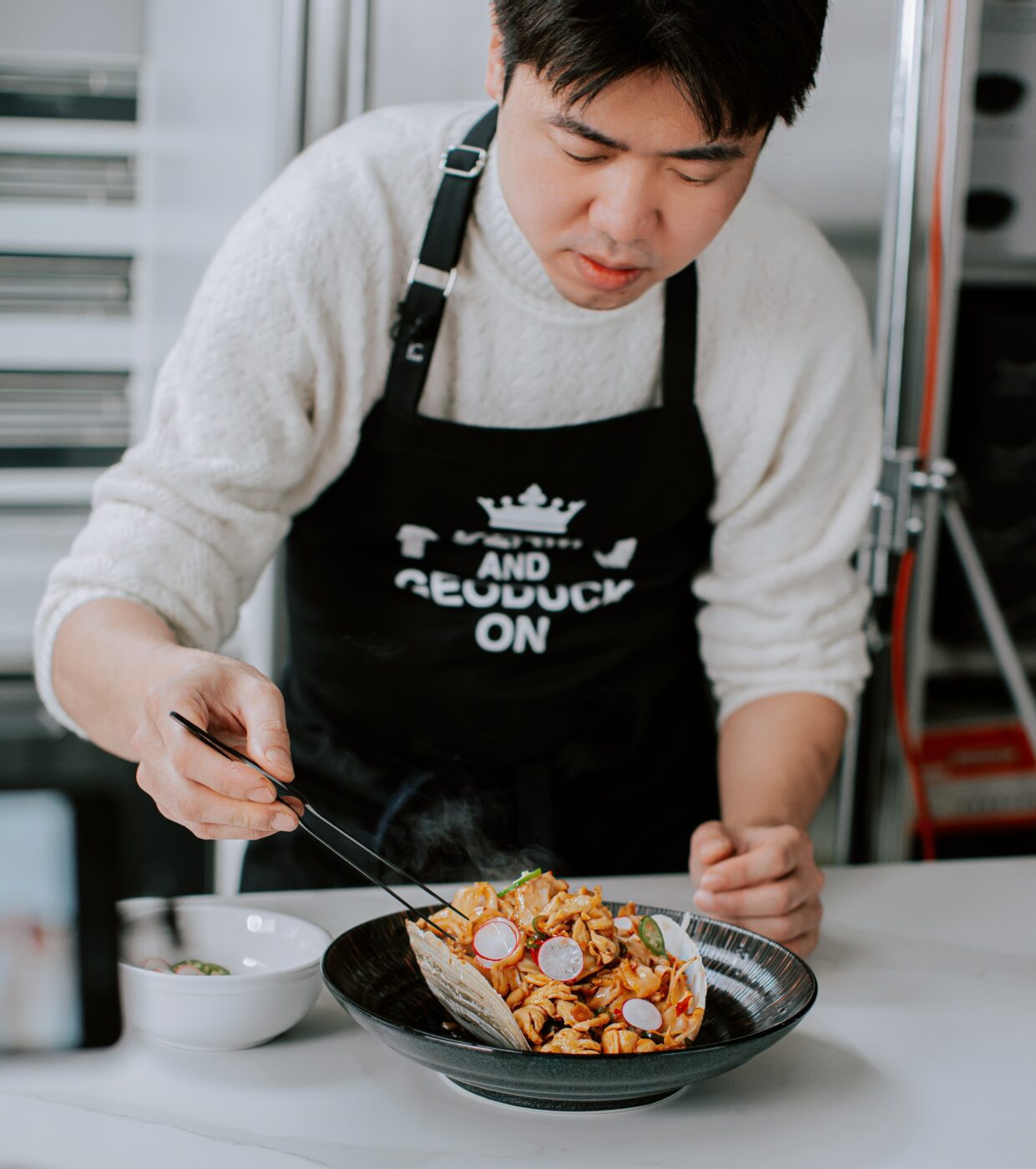
Head chef and the owner Bo Li
Photography: Hana Lee & William Luk
All three of these restaurants represent a deepening Richmond tradition of fusing the finest local ingredients with traditional, regional Chinese techniques. The results are not just new dishes of sophisticated vitality and deliciousness; it can be argued that they amount to a new—Canadian—style of Chinese cuisine. And that is why, when Chinese tourists fly into Richmond, they head straight for the local restaurants. They’ll enjoy the view after they eat.
— Lee Mann
Share: Facebook, X (Formerly Twitter)