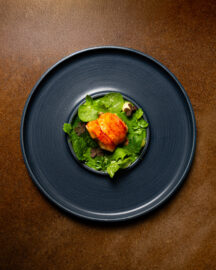
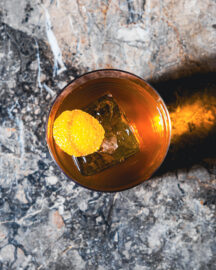
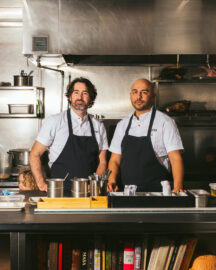
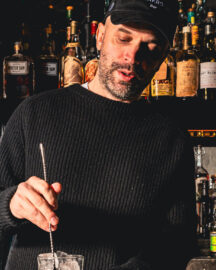
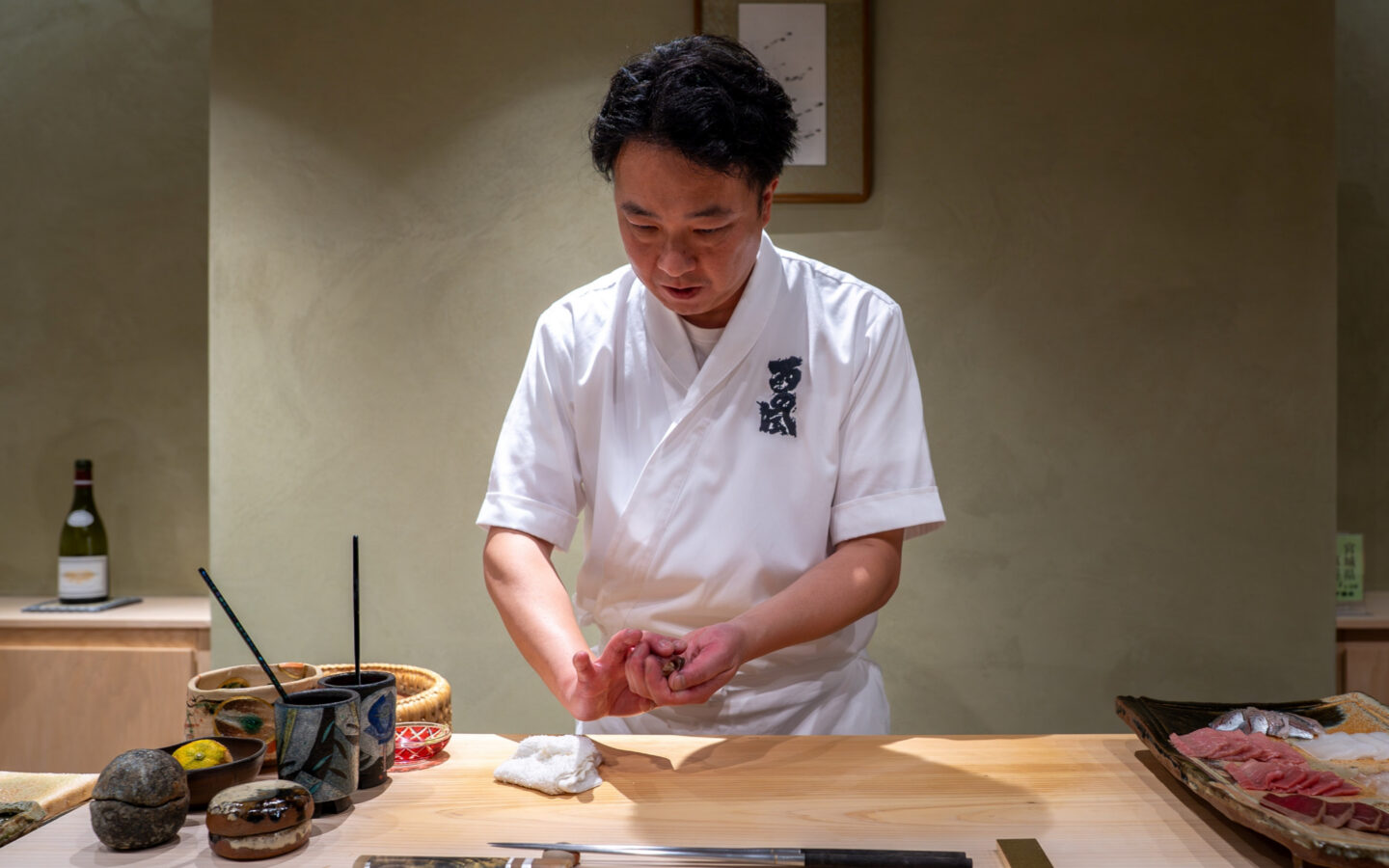
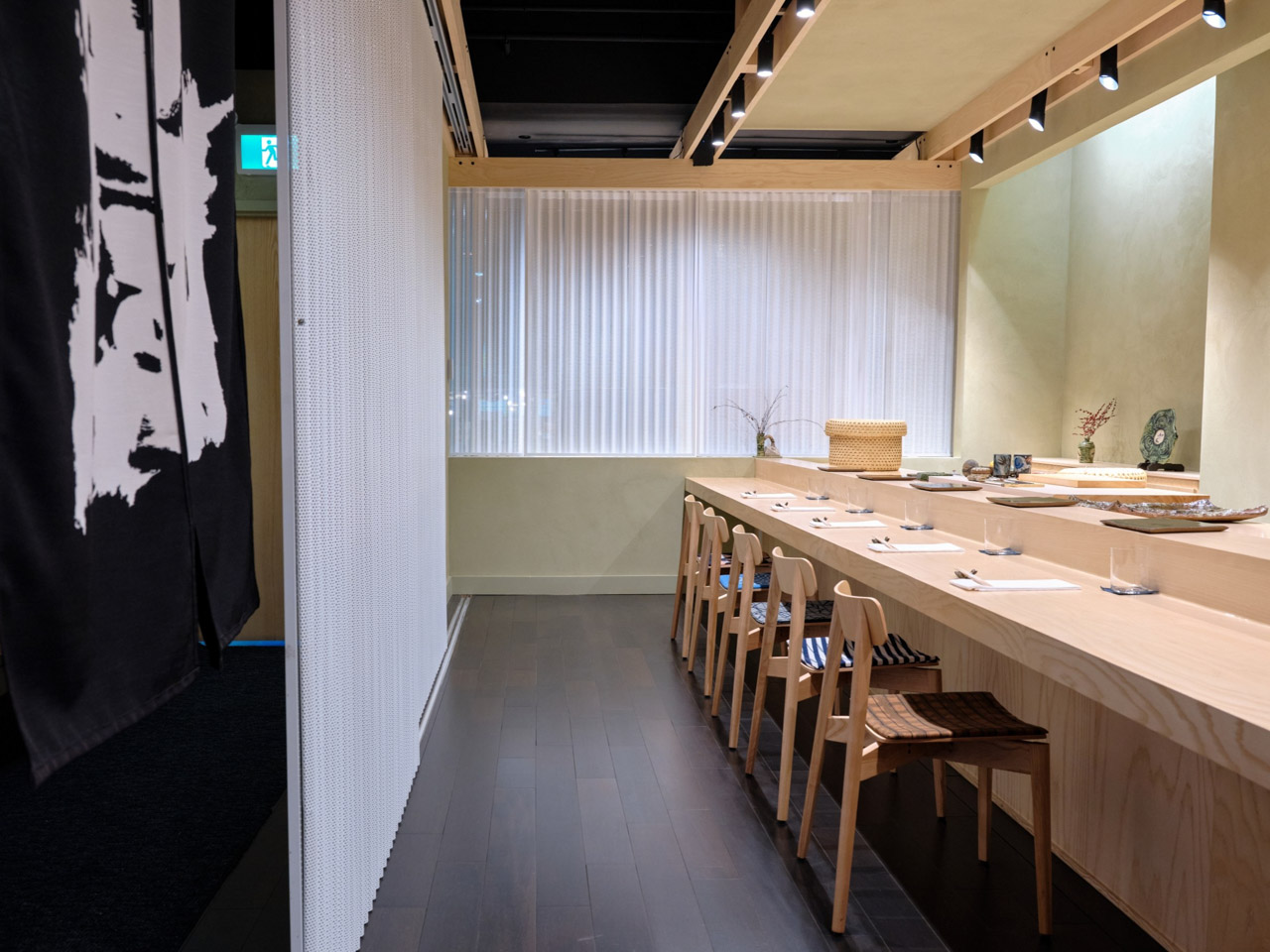
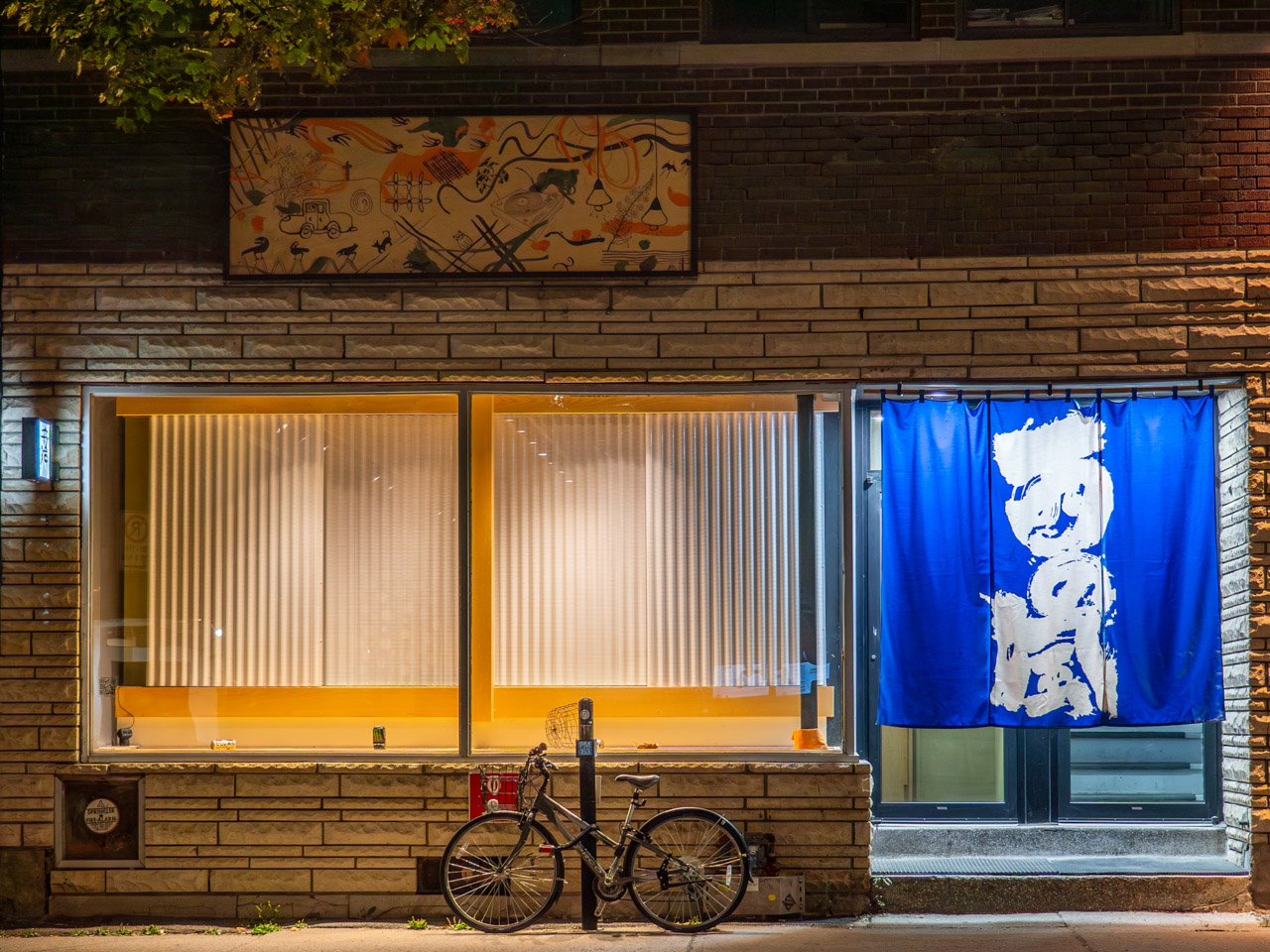
In the city’s Mile End, Sushi Nishinokaze brings a rare level of rigour to Montreal dining. Its name, “West Wind,” reflects chef-owner Vincent Gee’s mission to showcase the flavours of local and imported wild seafood, the latter flown in several times a week. The eight-seat counter is inspired by his time at the two-star Nishiazabu Sushi Shin in Tokyo, and his omakase leans on classic edomae technique — aging, marinating and gentle cooking that reveal nuance and purity. Its foundation is the shari — naturally grown rice, seasoned with artisanal red vinegar and cooked in a cast-iron hagama. The tasting menu shifts with arrivals, but signatures may include kohada (gizzard shad) nigiri; ni-hotate, a wild Îles-de-la-Madeleine scallop simmered in its master stock; and shiro amadai matsukasa yaki, tilefish grilled and crisped over Kishū binchōtan charcoal. An appetizer of lobster brandy-zuke (raw Quebec lobster tail marinated with its tomalley) is irresistible, while seasonal highlights could feature peak-condition chōshi kinmedai (golden eye snapper) or Quebec snow crab. The minimalist room— designed by architects Justin Nguyen and Taichi Kuma — doubles as a rotating ceramics gallery curated by co-owner Julian Doan. One year in, Nishinokaze is one of the city’s most transportive omakase experiences.
A singular vision executed without compromise.” Scott Usheroff


Best Seat
Centre of the counter for the clearest view of Gee’s knife work.
Tip
Book early — the eight seats for the set-menu-only omakase disappear fast.
Drink
Privately imported sake leads, but the Burgundy, Champagne and natural-wine picks are strong.
Photography by Bernard Lin (chef, exterior), Jean-Guillaume Bastin (interior)
Share: Facebook, X (Formerly Twitter)


